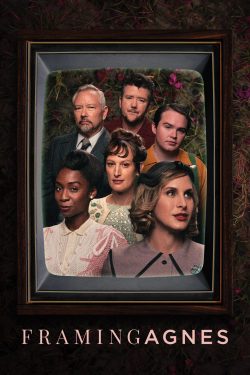
A screening of two experimental documentary films about American transgender history: the 2022 docufictional film Framing Agnes preceded by the historic 1967 short Behind Every Good Man.
Framing Agnes (75 min):
Bold, beautiful, and unlike anything you’ve seen before — Framing Agnes transforms forgotten medical records into an electrifying act of trans reclamation.
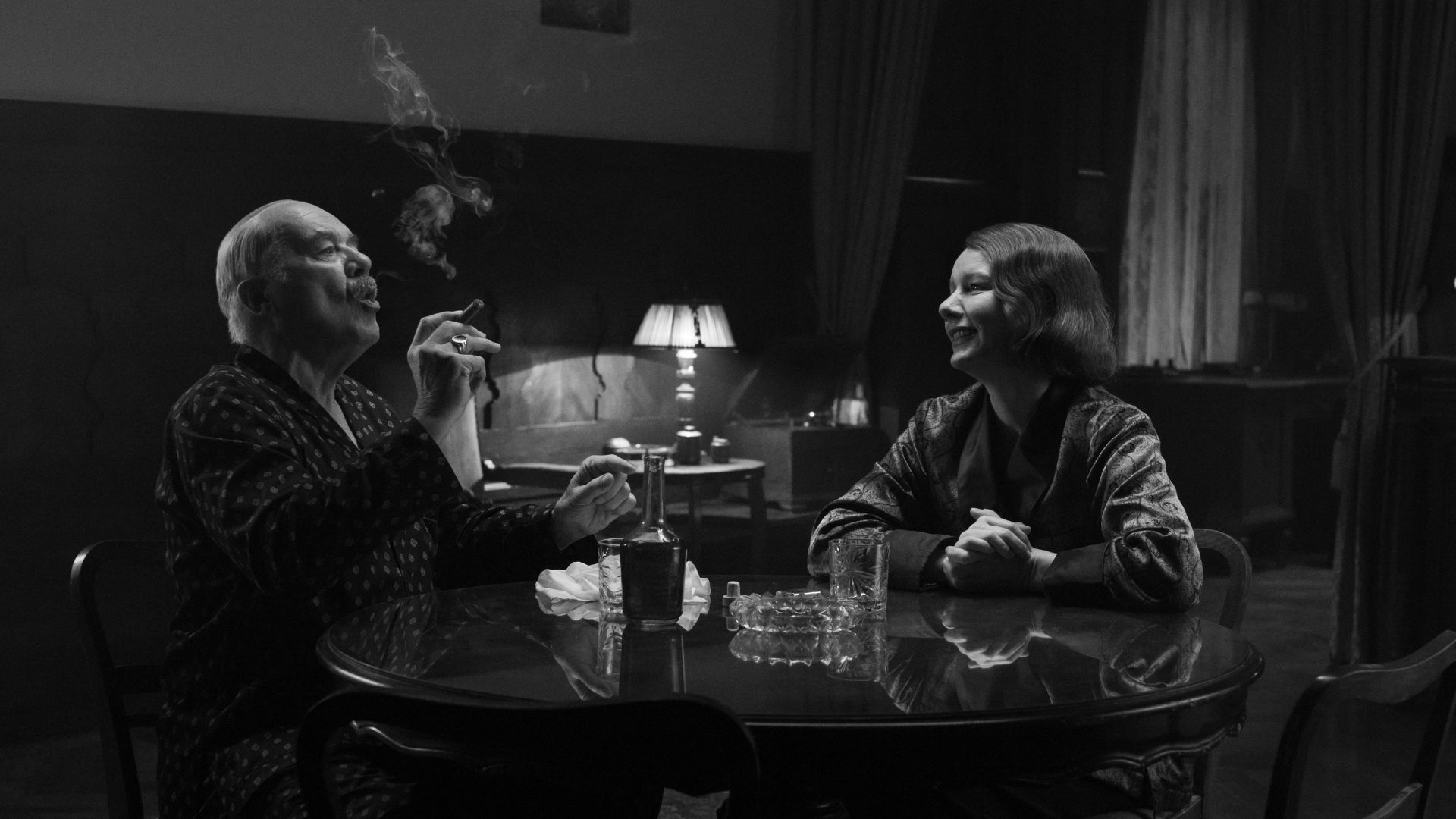
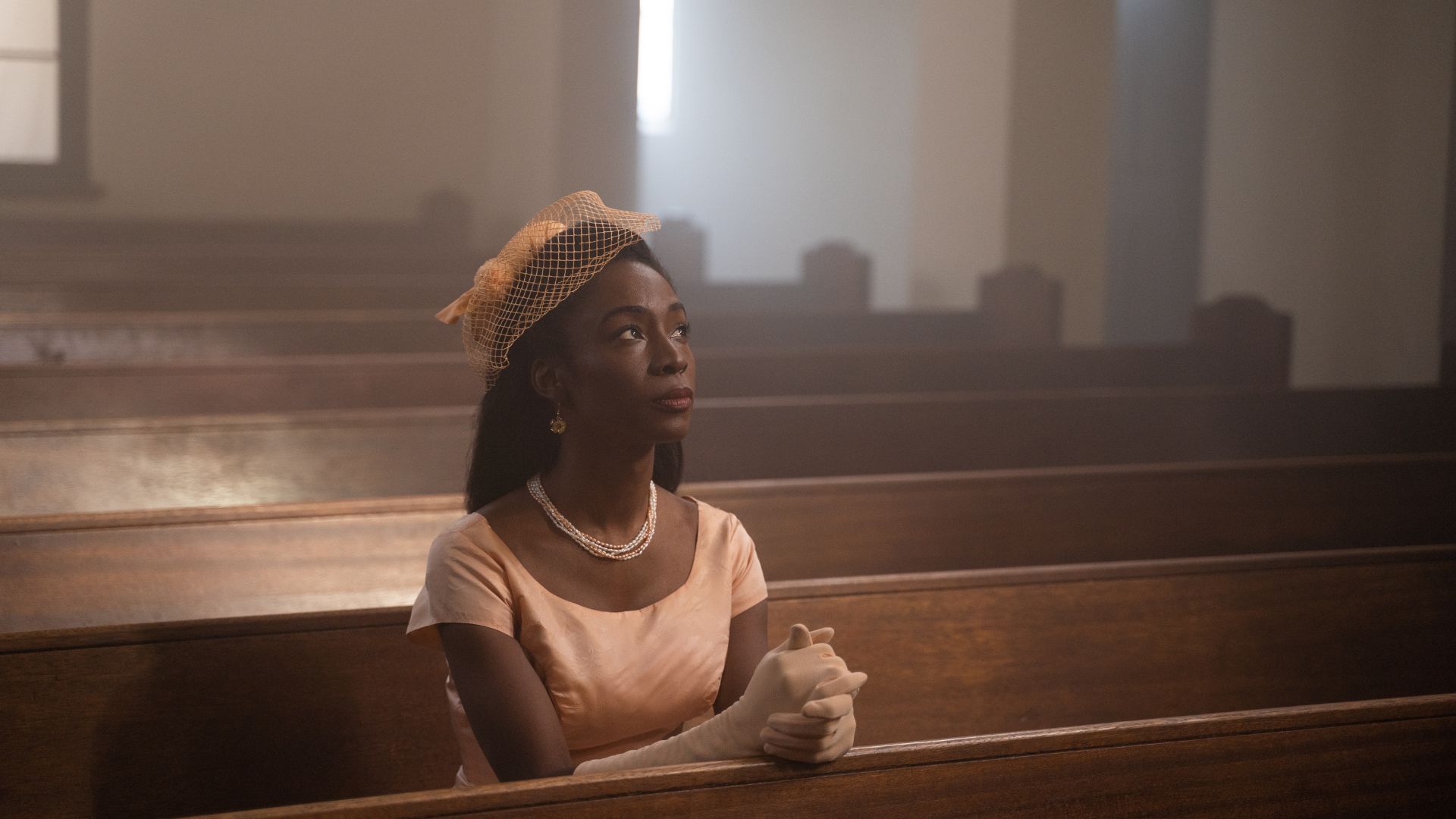
Agnes was a pioneering transgender woman who participated in an infamous gender health study conducted at UCLA in the 1960s. Her clever use of the study to gain access to gender-affirming healthcare led to her status as a fascinating and celebrated figure in trans history. In this innovative cinematic exercise that blends fiction and nonfiction, director Chase Joynt (No Ordinary Man) uses Agnes’s story, along with others unearthed in long-shelved case files, to widen the frame through which trans history is viewed.
Through a collaborative practice of reimagination, an all-star cast of trans performers, artists, and thinkers – including Angelica Ross (Pose), Jen Richards (Mrs. Fletcher), and Zackary Drucker (Transparent) – take on vividly rendered, impeccably vintage reenactments, bringing to life groundbreaking artifacts of trans history. This collective reclamation breaks down the myth of isolation among transgender history-makers, breathing new life into a lineage of collaborators and conspirators who have been forgotten for far too long.
Behind Every Good Man (9 min)
Produced several years prior to the Stonewall Uprising for LGBTQ rights, director Nikolai Ursin’s gently-activist short provides an illuminating glimpse into the life of an African American trans woman. In contrast to the stereotypically negative depictions of transgender people perpetuated by Hollywood at the time, the protagonist of Ursin’s independent film is rendered as stable, hopeful and determined. Stylistically, Ursin artfully blurs elements of cinéma vérité documentary and dramatization to bring his unnamed lead’s personal aspirations and meditations on love and acceptance to light. The resulting intimate portrait serves as a rare cultural artifact of transgender life and African American life in the U.S. at the mid-century.
Digital File courtesy of the Outfest UCLA Legacy Project Collection. Restoration funding provided by the National Film Preservation Foundation.
Join us for a post-screening Happy Hour at Take 3 Wine Bar & Café—just show your ticket at the bar to get 50% off any wine on our menu. Meet your neighbors, make new friends, and raise a glass to Queer cinema!