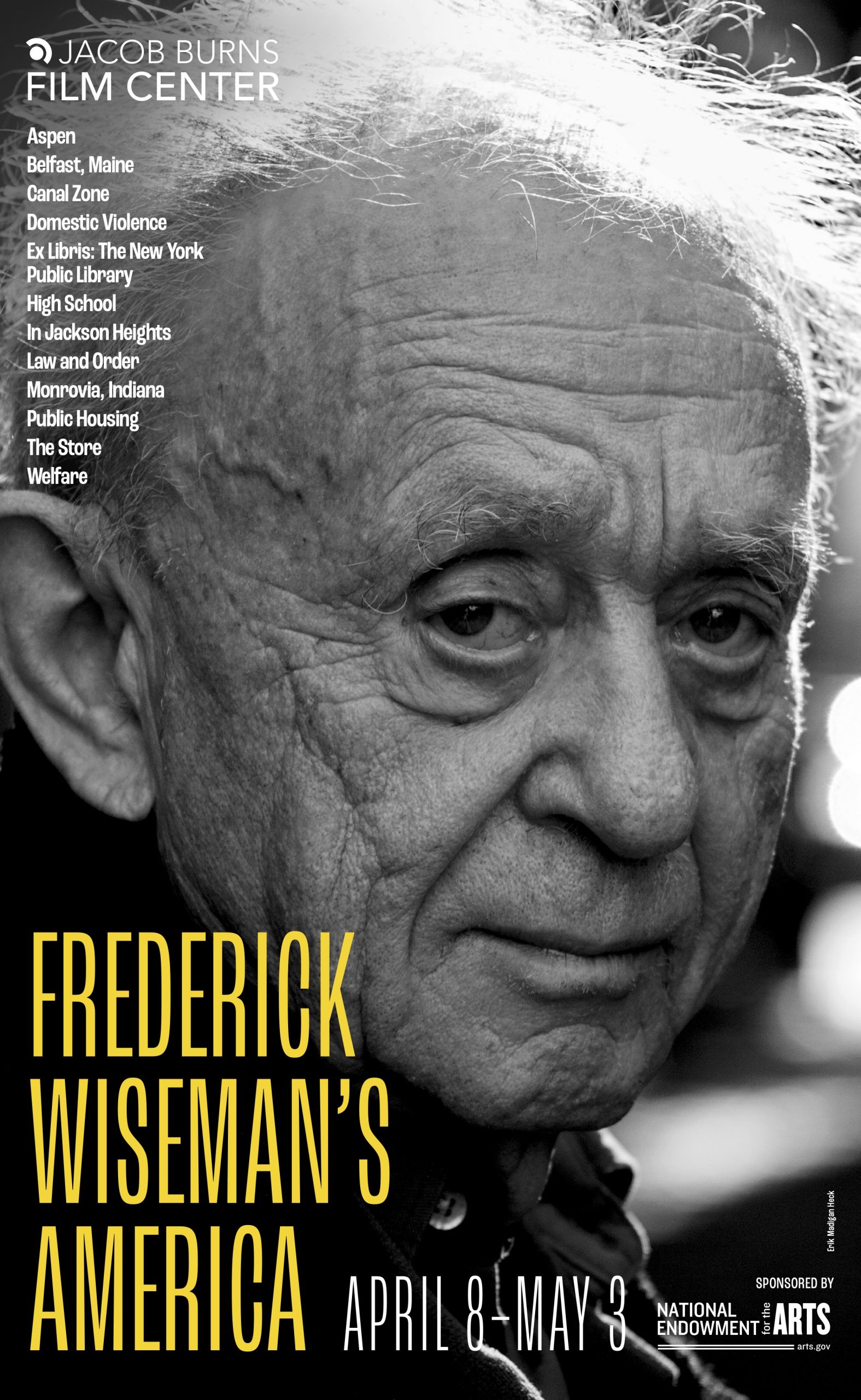
Frederick Wiseman's America
Apr. 8–May 3, 2026
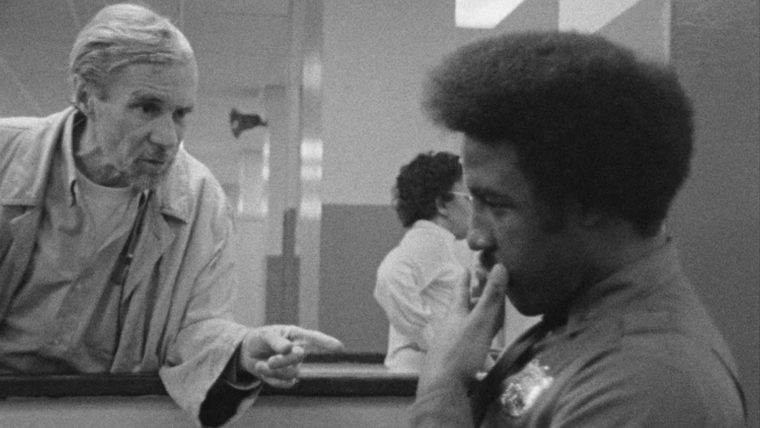
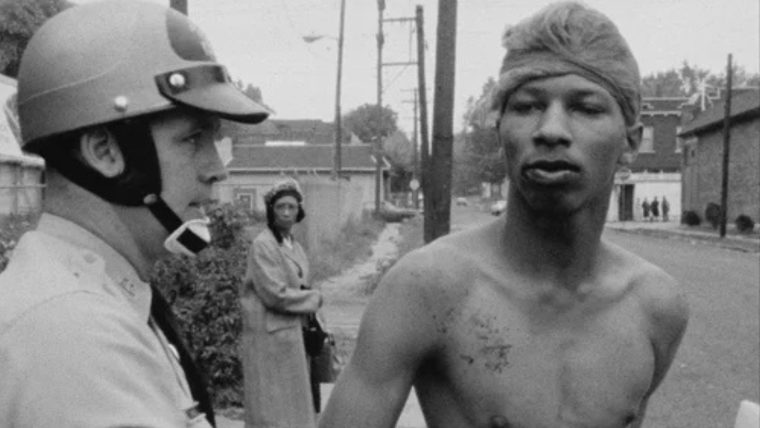
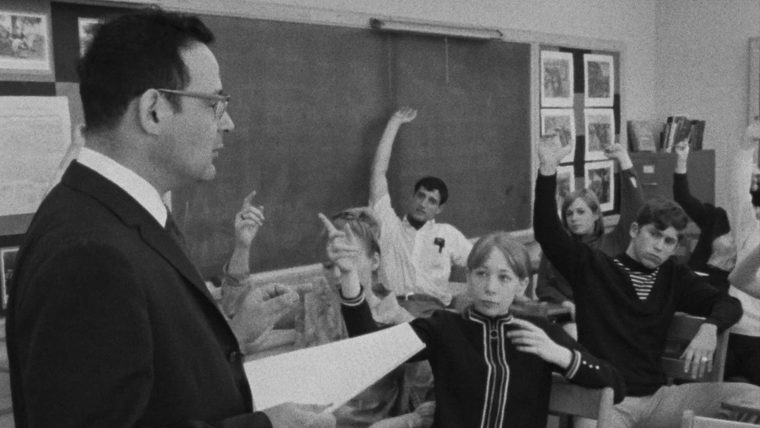
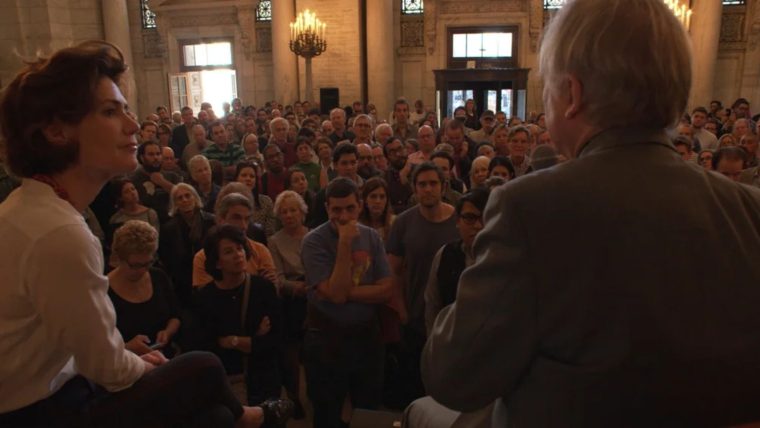
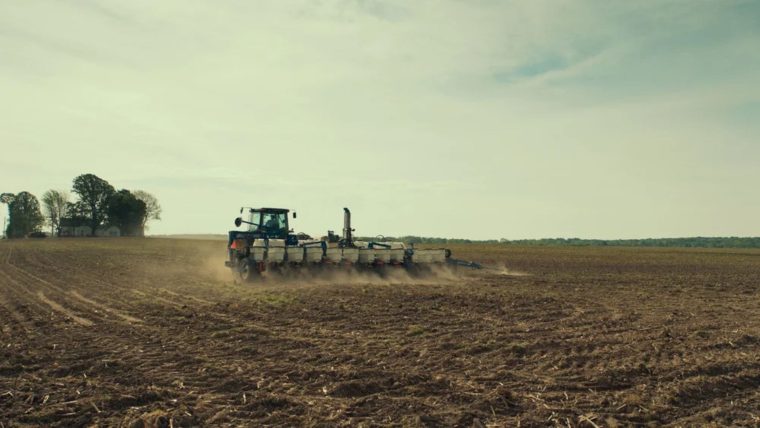
When Frederick Wiseman passed away at the age of 96 in February of this year, America lost not only its greatest documentary filmmaker—it lost one of the greatest chroniclers in the country’s entire 250 year history. Cinema’s version of Mark Twain, Wiseman’s perceptive, majestic, and quietly comedic films have covered all corners of the country, from towns in Maine, Colorado, and Indiana, to seats of government, courts of law, welfare offices, high school auditoriums, even outposts on foreign soil. Although his purview extended beyond the United States, the majority of his nearly 50 films, completed over 56 years, were made in America. Perhaps best known for his focus on U.S. institutions, Wiseman was endlessly fascinated by how things work, an interest that was inseparable from an interest in how people work. How they labor together (or apart), how they study, play, and care, how they form communities, where they form communities, and how they articulate and represent themselves, their passions, and their convictions. While someone else filmed, Wiseman recorded sound, patiently listening for subtle moments of revelation that others would ignore, an ethos that allowed him to construct scenes that seemed so close to actual life that it was easy to overlook the myriad edits he made to compel you to think you were witnessing every moment. Wiseman claimed to not be a political filmmaker, which was true insofar as he never made a film for an overt cause or with an overt ideology, but if you pay attention to structure, to the overall composition of his epic canvases, and to his choices about who gets to be represented and how they’re represented, you’ll discover a filmmaker with immense respect for common people and their right to our respect, as well as to, well, truth, justice, and myriad American ways of life.
—JBFC Director of Film Curation and Programming Eric Hynes
SERIES TRAILER



This series is presented with generous support from: